




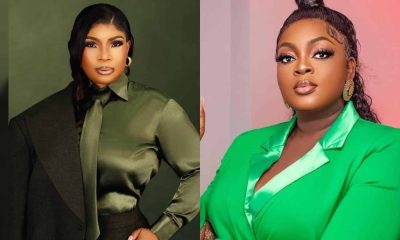



Beverly Naya Colorism Fight highlights her campaign against harmful beauty standards and skin bleaching while promoting self-acceptance
Nollywood actress Beverly Naya has opened up about her campaign against colourism and skin bleaching, saying she took the conversation to a global audience to challenge harmful beauty standards and encourage people to embrace their natural skin tones.
Naya shared her thoughts during a recent interview, where she discussed the motivation behind her documentary on colourism.
The colorism fight was inspired by what the actress described as a long-standing societal preference for lighter skin, which she believes has affected how many people view beauty and self-worth.
Naya claimed that a large number of Nigerian women bleach their skin, describing the trend as a reflection of deeper cultural pressures that often place lighter complexions above darker ones.
“There’s this hierarchy of beauty according to complexion, where it’s like the lighter you are, the better. Culturally, you know, in society, it’s there,” she said.
The actress explained that she saw colourism as a form of discrimination that had existed for years, even before many people recognised the term.
According to Naya, derogatory remarks directed at dark-skinned individuals were often dismissed as jokes, despite the harm they caused.
“People knew that you could literally look at a dark-skinned person, and you would say, ‘Oh, Blackie,’ and it was derogatory, it was offensive, but there was nothing to define what that act was. But then it was colourism, and they didn’t know what it was,” she said.
Naya said her documentary was created to educate audiences about the impact of colourism, raise awareness about the risks associated with skin bleaching and promote confidence among people regardless of complexion.
“The whole idea was just to inspire people to love the complexion that they’re in and appreciate themselves for who they are,” she said.
The actress also recalled that the documentary gained wider international attention after its release on Netflix following the death of George Floyd, a period when global conversations around race and discrimination intensified.
“Naturally, it blew up. So many people watched it, and the impact was insane,” Naya said.
She added that the response encouraged her to continue advocating for self-acceptance and challenging beauty standards that negatively affect individuals’ confidence.