Ehi Braimah warns that rising political violence, inflammatory rhetoric and weak enforcement could threaten Nigeria’s 2027 general elections
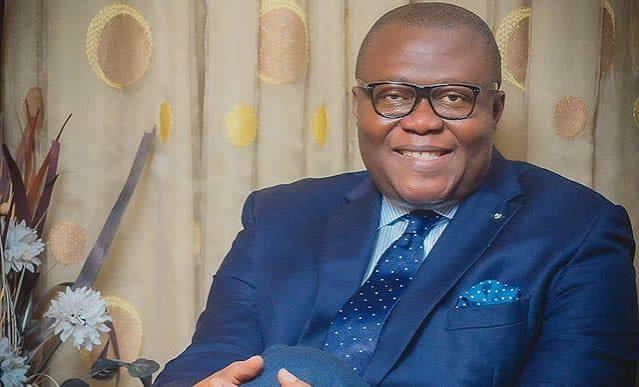
Publisher and Editor-in-Chief of Niger Times, Ehi Braimah, has warned that rising political tension, inflammatory political statements and alleged violence by political actors could threaten the peaceful conduct of Nigeria’s 2027 general elections.
Braimah gave the warning during an appearance on Sunrise Daily, where he expressed concern over what he described as growing desperation among politicians and their supporters as the country approaches another election cycle.
He said Nigeria must prioritise national stability over political ambition, warning that the country could face serious consequences if political actors continue to encourage or tolerate violence in their pursuit of power.
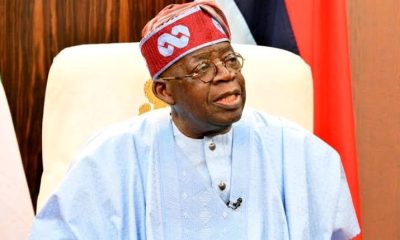
The media executive’s comments came amid growing concerns about political intolerance and reported attacks involving supporters of political parties, including an incident involving President Bola Tinubu’s convoy in Abuja.
Braimah said he was worried about the direction of political activities, arguing that campaigns should provide an opportunity for candidates to explain their policies, records and plans for improving the lives of Nigerians rather than display political strength through intimidation.
“Politicians and political parties during a campaign like this, it’s an opportunity for them to persuade voters, explain their records. Tell us what they can do for us,” he said.
He argued that the growing emphasis on political dominance was distracting from issues that matter to ordinary Nigerians, particularly the economy, education and public welfare.
According to him, Nigerians are more interested in practical solutions to their problems than confrontations between political parties and their supporters.
Braimah also questioned the commitment of politicians to peaceful elections, suggesting that some political actors publicly preach peace while allegedly supporting activities that create an atmosphere of violence.
He warned that such contradictions could deepen political divisions and undermine public confidence in the electoral process.
The Niger Times publisher further drew attention to findings from an Afrobarometer survey discussed during the programme, saying 92 per cent of Nigerians would vote for a presidential candidate whose policies they agreed with.
He also cited figures indicating that 89 per cent of respondents considered vote-buying likely during the 2027 elections, while 79 per cent expected political violence. Only 37 per cent, according to the figures he presented, expected the election to be largely free and fair.
Braimah said the findings demonstrated the level of public concern surrounding the forthcoming elections and the need for political parties to reassure voters that they could participate without fear of intimidation or violence.
He warned that sustained political intolerance could discourage people from participating in election-related activities, increasing the risk of voter apathy.
On the role of institutions, Braimah called on the Independent National Electoral Commission (INEC) to work closely with security agencies and political parties to enforce the Electoral Act 2026.
He said political parties must also take responsibility for the conduct of their members and supporters, rather than treating peace agreements signed ahead of elections as mere formalities.
The media executive questioned the effectiveness of existing political peace accords, arguing that stakeholders needed to discuss how such agreements could become enforceable.
He also urged political parties to stop rewarding individuals involved in violent political behaviour with appointments, warning that such practices could encourage others to engage in similar conduct.
Braimah maintained that security agencies, including the police and Department of State Services, had an important responsibility to investigate inflammatory statements and bring individuals suspected of inciting violence before the courts where appropriate.
He argued that accountability should apply to influential political figures as well as ordinary supporters, insisting that selective enforcement of the law could weaken public confidence in the justice system.
Beyond government institutions, he called on civil society organisations and the media to document incidents of electoral violence and make credible reports available to the public.
He also urged political candidates to make clear commitments to peaceful campaigns and ensure that their supporters respected democratic principles.
Braimah’s concerns echoed wider warnings raised during the programme about the possible consequences of political violence before and after the 2027 elections.
Former President Goodluck Jonathan had also expressed concern about rising political intolerance, while discussions in the Senate highlighted the need for security agencies to investigate reported attacks and prosecute those responsible.
The programme further examined concerns about the judiciary, particularly the possibility that conflicting court decisions could undermine public confidence and encourage citizens to resort to self-help.
Braimah’s position was that Nigeria’s political leaders must recognise the importance of preserving the country and its democratic institutions, rather than allowing the struggle for political office to endanger national stability.
He warned that the responsibility for peaceful elections could not rest on security agencies alone, stressing that politicians, political parties, electoral institutions, civil society and the media all had roles to play.
As preparations for the 2027 general elections gather momentum, his central message was that political competition should be driven by ideas, policies and the willingness to serve Nigerians, not intimidation, violence or the pursuit of power at all costs.