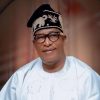







Juliana Olayode defends pastors facing criticism over silence on insecurity, saying religious leaders are not necessarily activists
Nollywood actress Juliana Olayode has defended Christian religious leaders facing criticism over their perceived silence on recent attacks, kidnappings and insecurity across Nigeria.
Olayode made her position known in a post shared on Instagram, where she argued that pastors should not automatically be condemned for failing to comment publicly on national crises.
The actress said expectations placed on Christian leaders should also apply to leaders of other faiths, including Imams and Sheikhs, who equally wield influence within society.
“I know I might get dragged for saying this and not to deviate from the issue at hand, but I don’t know if it’s just my TikTok and Instagram algorithm, I’ve been seeing a lot of videos of people calling out pastors,” she wrote.
According to Olayode, the absence of public statements on social media does not necessarily mean religious leaders are indifferent to the challenges facing the country.
She maintained that meaningful interventions often occur outside public view and should not be judged solely by online activity.
“Yes, I believe pastors should speak up more. So should Imams, Sheikhs, and everyone with a voice and influence. But we should not automatically assume that those who are not speaking publicly on social media are doing nothing or are unconcerned about what is happening in the country,” she stated.
The actress further argued that while pastors can comment on political and social issues, activism is not their primary responsibility.
She acknowledged public concerns arising from the actions of some controversial religious leaders but insisted that many pastors continue to serve faithfully and responsibly.
Olayode noted that genuine religious leaders often focus on prayer, counselling and private engagement with authorities rather than public advocacy.
“Pastors are not activists, though they certainly can speak on political and societal issues when they feel led to do so,” she said.
She added that throughout biblical history, spiritual leaders did not always respond to national challenges through public statements, but often carried out their assignments through intercession, guidance and direct engagement as they believed God directed.
Her comments come amid growing public debate over the role of religious leaders in addressing insecurity, kidnappings and other pressing national issues affecting Nigerians.