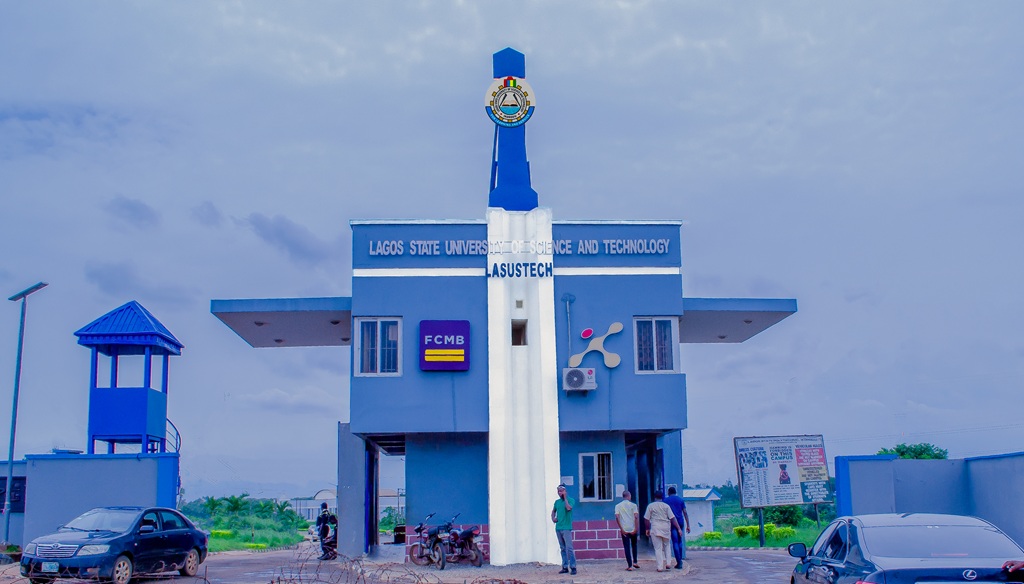






LASUSTECH Relocation Decision Triggers Student Protests

LASUSTECH relocation decision to Surulere campus draws backlash as Business students cite cost, stress, and disruption to academic life
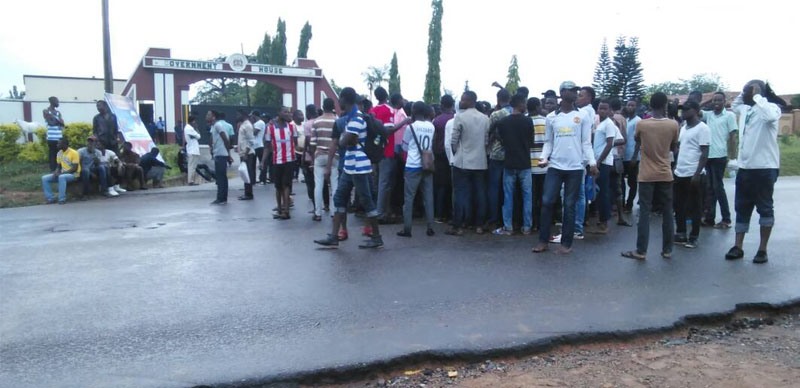
The LASUSTECH relocation decision to move Business Administration students from the Ikorodu Campus to the Surulere Campus has sparked widespread discontent, as students decry poor communication, financial hardship, and academic disruption.
Also read: LASUSTECH Students Reject Malpractice
The Lagos State University of Science and Technology (LASUSTECH) announced that the decision was part of a strategic plan to transform the Surulere facility into a dedicated Business School.
The management said the move was influenced by government pressure to revitalise the under-utilised Surulere campus.
“The relocation is part of a long-term vision to enhance academic focus and optimise our physical infrastructure,” a university official stated.
However, students say the decision was abrupt and inconsiderate of their needs. Many claim there was little to no consultation prior to the transition, which left them unprepared for the consequences—both financial and logistical.
A major concern is the commute. With classes now scheduled from Monday to Thursday between 9:00 a.m. and 3:00 p.m., students from Ikorodu must depart as early as 7:00 a.m., waking up at 3:00 a.m. or 4:00 a.m. daily to make the journey.
Despite LASUSTECH providing two shuttle buses, each with a 100-student capacity, this covers only half of the nearly 400 students affected.
The result has been frequent overcrowding, standing-room-only rides, and late arrivals to lectures.
Financially, students now spend ₦1,000 daily on transport—amounting to at least ₦4,000 weekly. Combined with other living expenses such as meals and academic materials, this has created mounting financial stress.
“It’s affecting our ability to concentrate and perform,” said a 300-level student. “Some of us now skip lectures because we can’t afford the daily transport costs.”
Beyond the financial strain, students lament the loss of their academic community at Ikorodu.
The change in location has diminished opportunities for group study, extracurricular activities, and informal networking—essential elements of the university experience.
“We had a system in Ikorodu. We knew where to go, who to talk to, how to collaborate. That’s gone now,” another student remarked.
Students are urging LASUSTECH management to reconsider the relocation or, at the very least, bolster support systems.
Suggestions include providing more buses, offering transport subsidies, or adjusting academic schedules to reduce strain.
They also highlight that their original admission was tied to the Ikorodu campus.
Many believe the university has a responsibility to honour that commitment or involve students more meaningfully in decisions that directly affect them.
“The lack of prior engagement feels like a betrayal,” one student said. “We’re not just statistics—we’re people whose futures are being reshaped without consent.”
The university has yet to issue a formal response to student complaints, but academic observers warn that failure to address the concerns could lead to prolonged protests or a decline in student performance.
As the controversy around the relocation decision grows, education stakeholders are calling for greater transparency, strategic planning, and sensitivity to student welfare in campus policy decisions.
Also read: FCT Primary School Closure Triggers Protest By NANS
For now, students continue to bear the brunt of a move they say has placed undue hardship on their educational journey.