



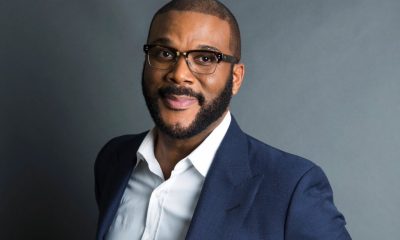
Tyler Perry’s films thrive on Black trauma, drawing fans and critics alike. But why does pain sell so well, and is it time for a different story?
Tyler Perry Black trauma has become a defining blueprint in the filmmaker’s career, captivating audiences and fuelling debates across the Black creative landscape.
From Diary of a Mad Black Woman to Acrimony and A Fall From Grace, Perry’s stories often revolve around the suffering of Black women — women who are scorned, betrayed, abandoned, and left to wrestle with their own survival.
This pain is not generic. It is uniquely Black, generational, and deeply recognisable.
It echoes through church pews and family kitchens, spoken softly in prayer and loudly in protest.
For many of his fans, Perry’s stories mirror reality. For his critics, they commodify it.
Despite relentless criticism from feminists, academics, and cinephiles, Perry remains a box office juggernaut.
His 2020 Netflix drama A Fall From Grace received backlash for its rushed production and plot holes, yet it became one of the most-watched films globally during its debut week.
Black trauma has become a Tyler Perry trademark, but the question is no longer whether it sells it’s whether it’s all we’re allowed to see.
The same pattern repeats with Straw, his latest project starring Taraji P. Henson, which again centres on betrayal, loneliness, and despair and yet, it’s a hit.
Perry’s appeal lies in his understanding of trauma. Raised in hardship himself, he has often said, “People relate to pain more than anything.”
His characters suffer, heal (sometimes), or die. But the suffering always lingers. He gives audiences emotional release, often through redemption or revenge, laced with gospel truths and moral sermons.
Still, questions persist. Is Perry offering reflection or exploitation? Is he giving voice to the voiceless or reducing Black narratives to struggle stories? As his empire grows, so too does the conversation around what kinds of stories Black audiences are being sold.
“I think we’ve earned more than pain,” says filmmaker and cultural critic Adaeze Nnadi. “We deserve stories of joy, excellence, and complexity — not just survival.”
Tyler Perry knows his audience intimately. But as cultural expectations evolve, even his most loyal viewers may soon start asking for more.