






World Kiswahili Language Day Inspires Unity At UNESCO Celebration

World Kiswahili Language Day 2025 was celebrated at UNESCO, uniting nations through language and promoting cultural diplomacy, unity, and global dialogue
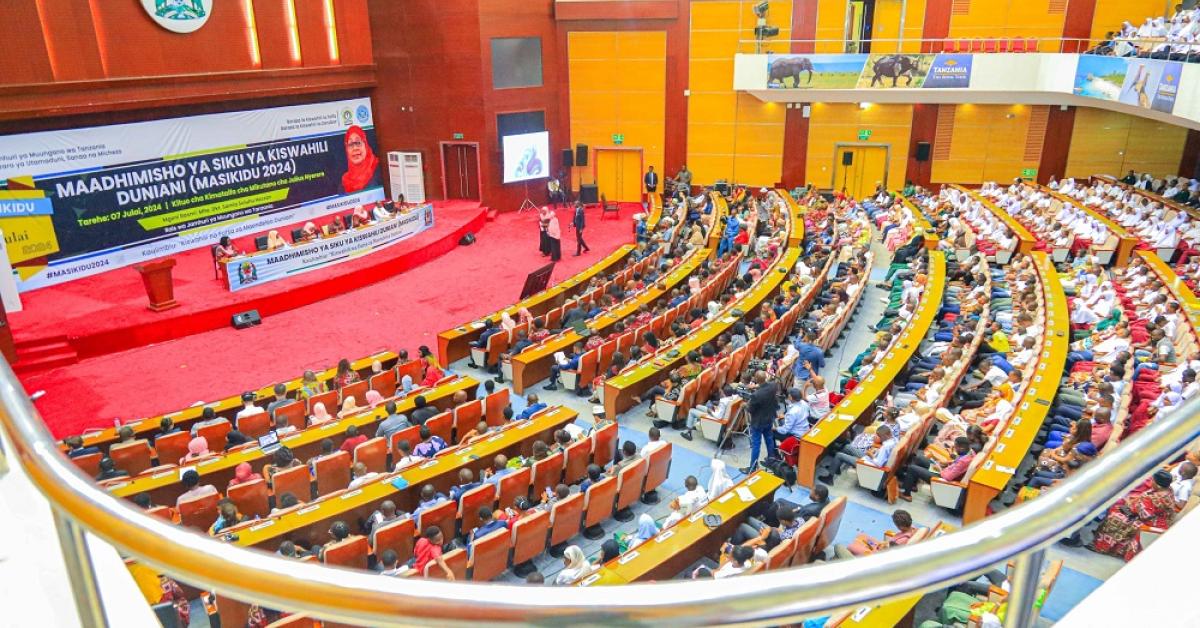
UNESCO Headquarters in Paris hosted a moving celebration of World Kiswahili Language Day on 4 July 2025.
Also read: Unilag Unveils Communication Faculty
Organised in collaboration with East African Permanent Delegations, the event honoured Kiswahili’s role in fostering unity, identity and diplomacy.
The fourth edition of the annual event marked another milestone for Kiswahili, the first African language to receive such global recognition.
This year’s celebration included an official ceremony, cultural performances and a vibrant panel discussion that explored Kiswahili’s impact across Africa and the world.
Rooted in East Africa, Kiswahili has grown far beyond regional boundaries.
It is now spoken by more than 230 million people and serves as an official language of the African Union.
The panel reflected on its significance in regional integration, education and cultural exchange.
“Kiswahili is more than communication,” said a panellist.
“It represents our shared heritage and dreams. It’s a symbol of what connects us.”
The discussion examined how Kiswahili encourages intercultural dialogue and strengthens pan-Africanism.
Experts addressed strategies to elevate Kiswahili through educational and diplomatic initiatives.
The language continues to serve as a bridge across diverse cultures, especially in East, Central and Southern Africa.
The 2025 event built on UNESCO’s 2021 resolution which officially declared 7 July as **World Kiswahili Language Day.
The resolution highlighted the language’s ability to foster dialogue, tolerance and mutual understanding.
Kiswahili was also recognised for promoting multilingualism, a key United Nations value.
Kiswahili is more than communication.
Director-General Audrey Azoulay praised Kiswahili as a language of peace and cooperation.
In her message, she underscored its cultural and educational value and the importance of recognising African contributions to global dialogue.
Beyond the official event in Paris, UNESCO field offices in New York, Tanzania and Brasilia joined in the celebration.
From cultural performances to academic panels, Kiswahili speakers worldwide gathered to reflect on the language’s past and its promising future.
One initiative asked participants to translate Kiswahili words into their mother languages. Phrases like “Nakupenda” (I love you) and “Jambo” (hello) were translated into French, Setswana, Luo and more.
These interactions showcased the warmth and inclusiveness of Kiswahili.
Kiswahili has been taught in schools and universities across the globe, gaining popularity as a medium for literature, music and film.
It is central to modern African identity and a growing part of youth culture.
Despite global pressures from dominant languages, Kiswahili remains resilient and continues to evolve.
Digital platforms have played a key role in its spread, allowing young people to shape it through slang, humour and creativity.
With over 200 million speakers and growing, Kiswahili is poised to become one of the largest world languages by the end of the century.
It already serves as a lingua franca in several African countries and continues to expand through migration, education and digital media.
For many, Kiswahili is more than a language.
It is a beacon of African pride, resilience and ambition. Events like World Kiswahili Language Day reaffirm this sentiment, inviting the world to listen, learn and speak with a shared voice.
As the celebrations concluded, participants expressed hope for the continued growth of Kiswahili.
“It brings us closer, not just as Africans, but as human beings,” one speaker said.
Also read: Swahili: The Rise Of An African World Language
World Kiswahili Language Day now stands not only as a cultural event but as a global reminder of the power of language to unite.