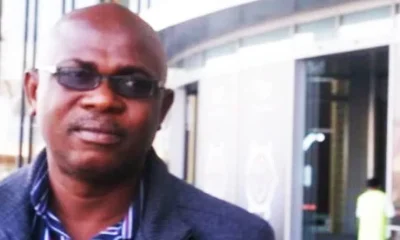









Yul Edochie Urges Tinubu To Reinstate Cashless Policy

Yul Edochie urges Tinubu to reinstate cashless policy, citing improved Naira value and reduced kidnapping during its previous implementation
Nollywood actor and media figure Yul Edochie has issued a public appeal to the Nigerian government, urging President Bola Ahmed Tinubu to reinstate the controversial cashless policy introduced during the previous administration.
Also read: Peter Ijagbemi Wedding News
Posting on Instagram on Thursday, Edochie outlined what he views as significant benefits of the cashless system, including the strengthening of the Naira and a reduction in nationwide insecurity.
“To my leader, President Bola Ahmed Tinubu, GCFR Asiwaju Bola Ahmed Tinubu,” he wrote, “I humbly suggest you bring back the cashless policy.
When it was introduced by the previous administration, it increased the value of the naira tremendously. It helped to bring down prices of goods. It made 5 naira, 10, 20 and 50 naira notes regain value.”
According to the actor, the policy did more than just impact the economy; he said it also contributed significantly to curbing the scourge of kidnapping, which has long plagued parts of the country.
“The cashless policy also helped to reduce kidnapping massively. Consider it again Sir. Thank you, Your Excellency,” Edochie added.
Yul’s comments come amid ongoing public debate over how best to stabilise Nigeria’s struggling economy and tackle growing insecurity.
The cashless policy, which was originally launched under former President Muhammadu Buhari, required citizens and businesses to rely heavily on electronic transfers and card payments, significantly limiting the availability of physical cash.
While the policy was praised in some quarters for promoting transparency and financial inclusion, many Nigerians also remember the immense hardship it brought.
Banks were overwhelmed, mobile banking systems crashed under pressure, and millions struggled with cash shortages that paralysed everyday transactions.
The cashless policy helped reduce kidnapping massively. Consider it again Sir.
Following Edochie’s post, reactions have poured in on social media.
A significant number of users acknowledged the actor’s intentions but criticised his apparent dismissal of the widespread suffering experienced under the cashless framework.
One commenter wrote, “It’s easy to talk about policy when you didn’t have to stand in ATM queues for eight hours or go days without money for food.”
Another said, “Yul, the policy may have reduced kidnapping, but it increased hunger, especially among the poor who rely solely on daily cash transactions.”
Still, some users echoed Edochie’s sentiments, calling on the Federal Government to reconsider the idea — but with better planning and execution if reintroduced.
Yul Edochie, who has frequently made headlines for both his personal life and controversial views, is no stranger to stirring national discourse.
He recently sparked a religious conversation by stating that Christianity and traditionalism worship the same God, and has repeatedly shared his opinions on leadership, governance, and the state of the country.
As the debate over the effectiveness of the cashless policy continues, Edochie’s post has reignited old tensions between economic reform and the realities of Nigeria’s socio-political structure.
Also read: Yul Edochie defends Tinubu says Nigerians hate hardship not the president
In the end, whether or not the policy makes a return under the Tinubu administration remains to be seen, but one thing is clear — it’s a subject that still touches a nerve with millions of Nigerians.